Did You Know?
Posted: April 28, 2026 by Argo Road Maintenance
These posts answer our most common questions and share information about how highway maintenance works and why certain decisions are made, using real situations and real questions from the people who travel these roads every day.
Weather Response and Staffing
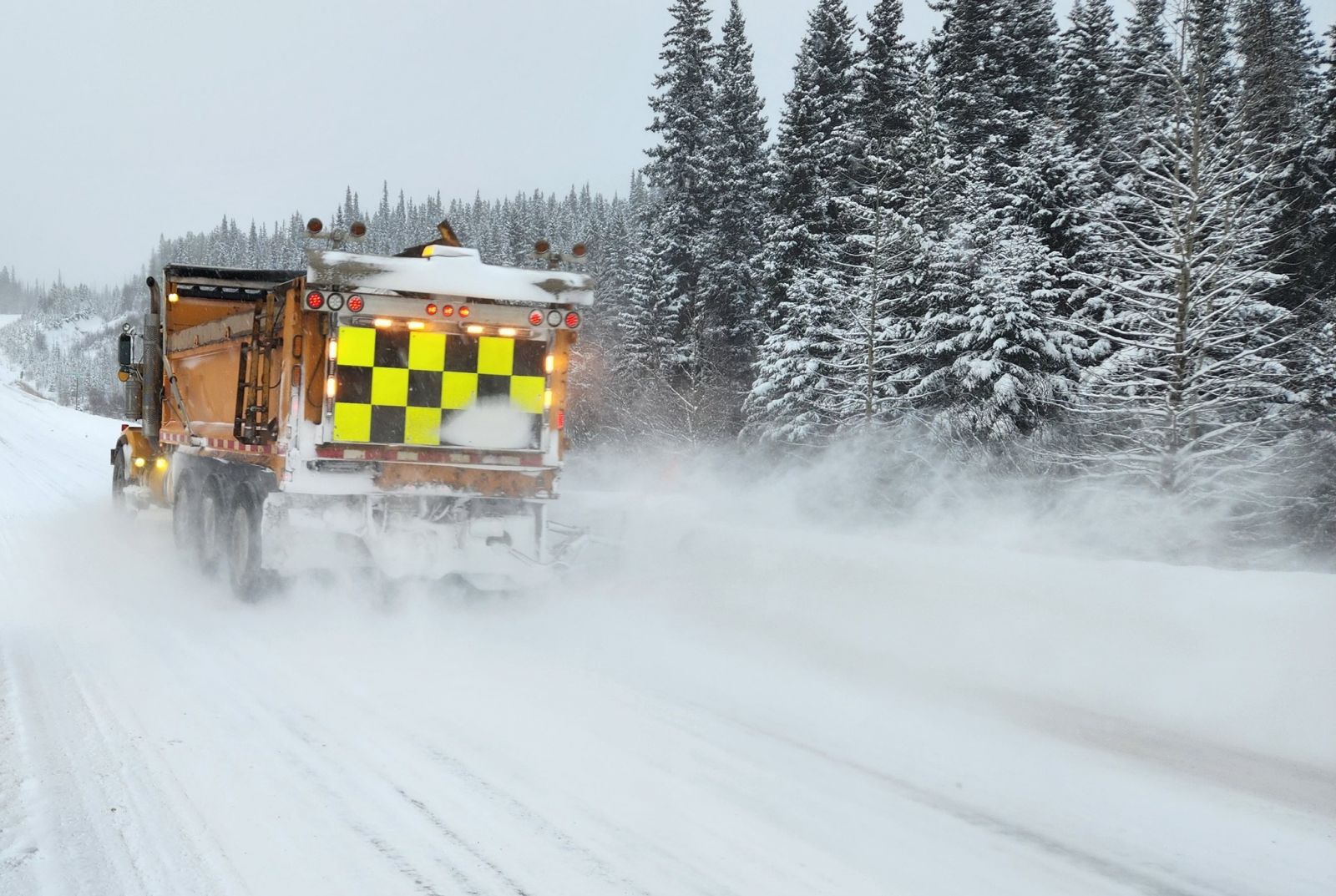
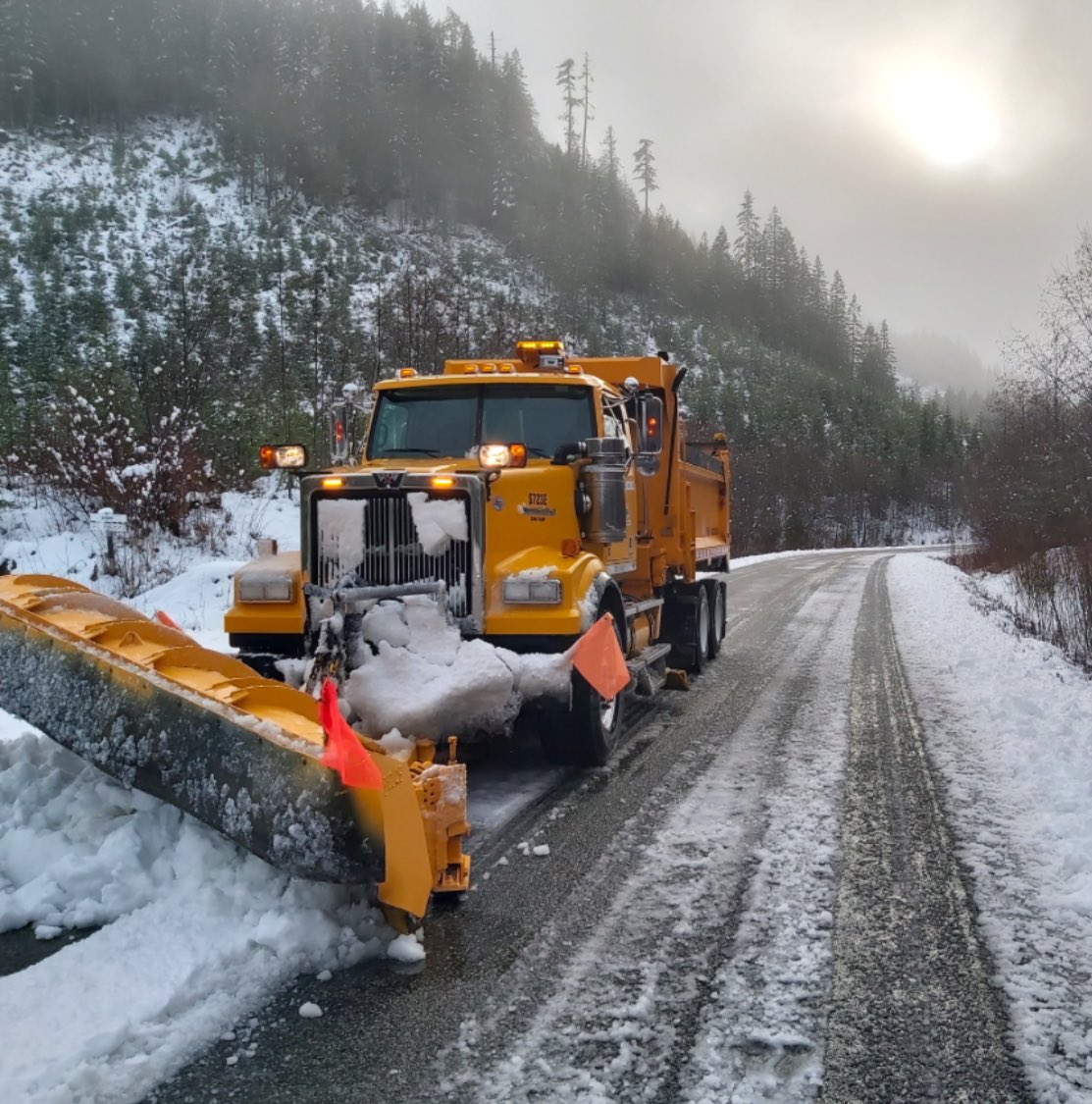
During winter weather events, Argo operates with fully staffed shifts 24-hours a day. When snow or ice is forecast or underway, all available maintenance staff are scheduled and actively working. There are no crews waiting around during storms. Everyone is assigned to plowing, sanding, monitoring conditions, or supporting winter operations.
Maintenance trucks are continuously moving along their routes. Because crews are spread out over large areas, you may not see a plow at your exact location at a given moment, even though the road has been serviced or is scheduled to be serviced again.
In heavy snowfall or blowing snow, a road can be plowed and then look snow covered again within a short period of time. This does not mean the road has not been plowed. It means conditions are changing faster than they can be visually tracked from one location.
Highways are always the priority during winter weather, and winter maintenance activities are carried out under provincial standards and oversight.
Drivers are reminded to slow down and drive for conditions during winter storms.
Truck Speeds
All Argo maintenance vehicles are equipped with GPS systems that record speed, location, and route activity. When a concern is received about a truck's speed, the recorded data is reviewed.
Maintenance trucks are working vehicles. They often operate at controlled speeds based on the task being performed, equipment in use, and road conditions. They are not operated like passenger vehicles.
Large trucks can appear to be travelling faster due to their size, height, and visibility. Recorded data frequently shows speeds are lower than what may be perceived from the roadside.
Drivers are required to operate safely while performing maintenance work under provincial standards.
Monitoring & Continuous Improvement
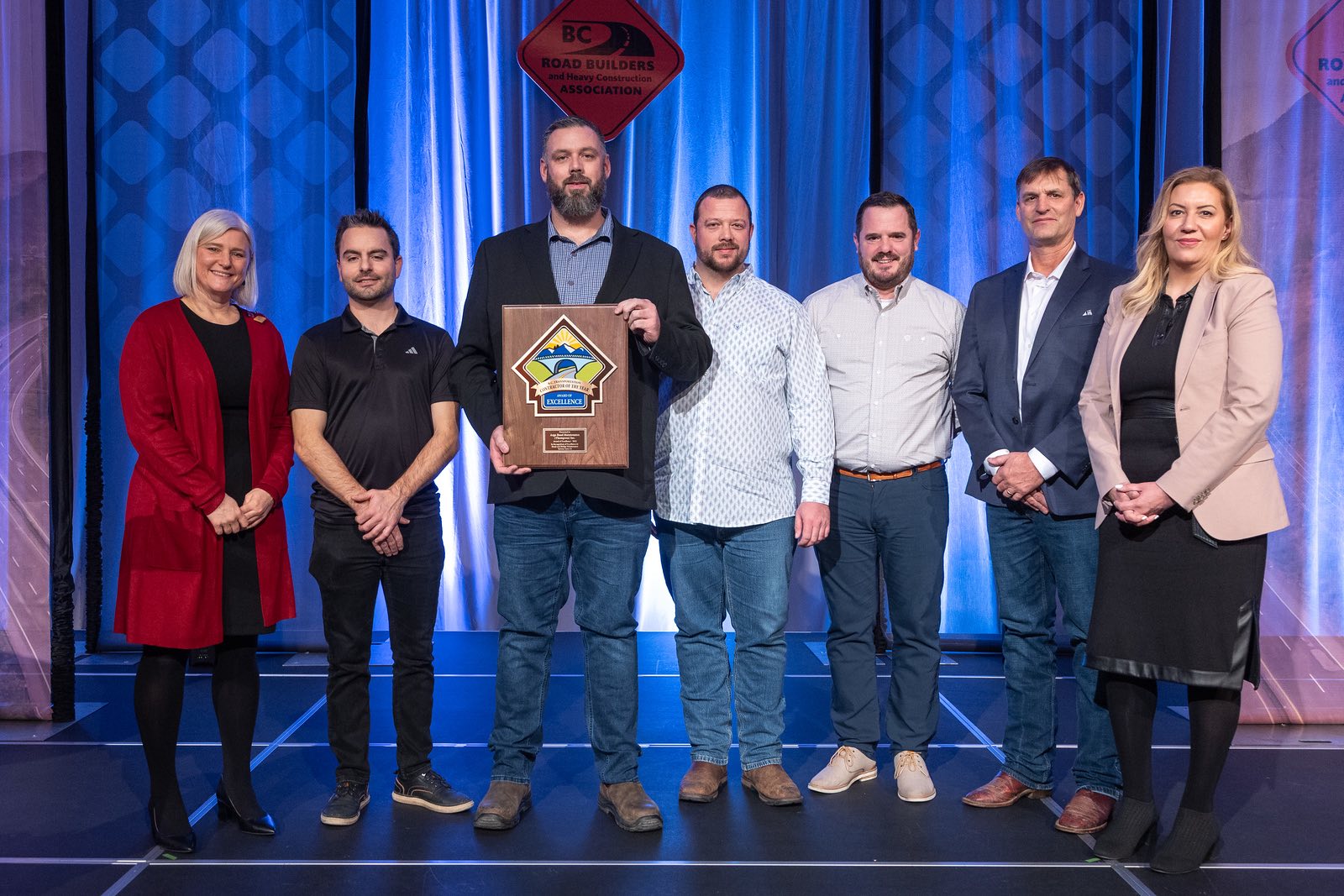
Highway maintenance is constantly reviewed and improved, and it's not just the public watching. In 2025, Argo was recognized as Maintenance Contractor of the Year based on performance, safety, and adherence to provincial standards.
This recognition does not mean maintenance is perfect or that conditions will always look ideal. Winter weather, geography, and traffic can still impact road conditions even when crews are working continuously.
What it does show is that Argo's work is evaluated under provincial standards and continues to evolve with real world feedback and performance assessment.
Dust Control
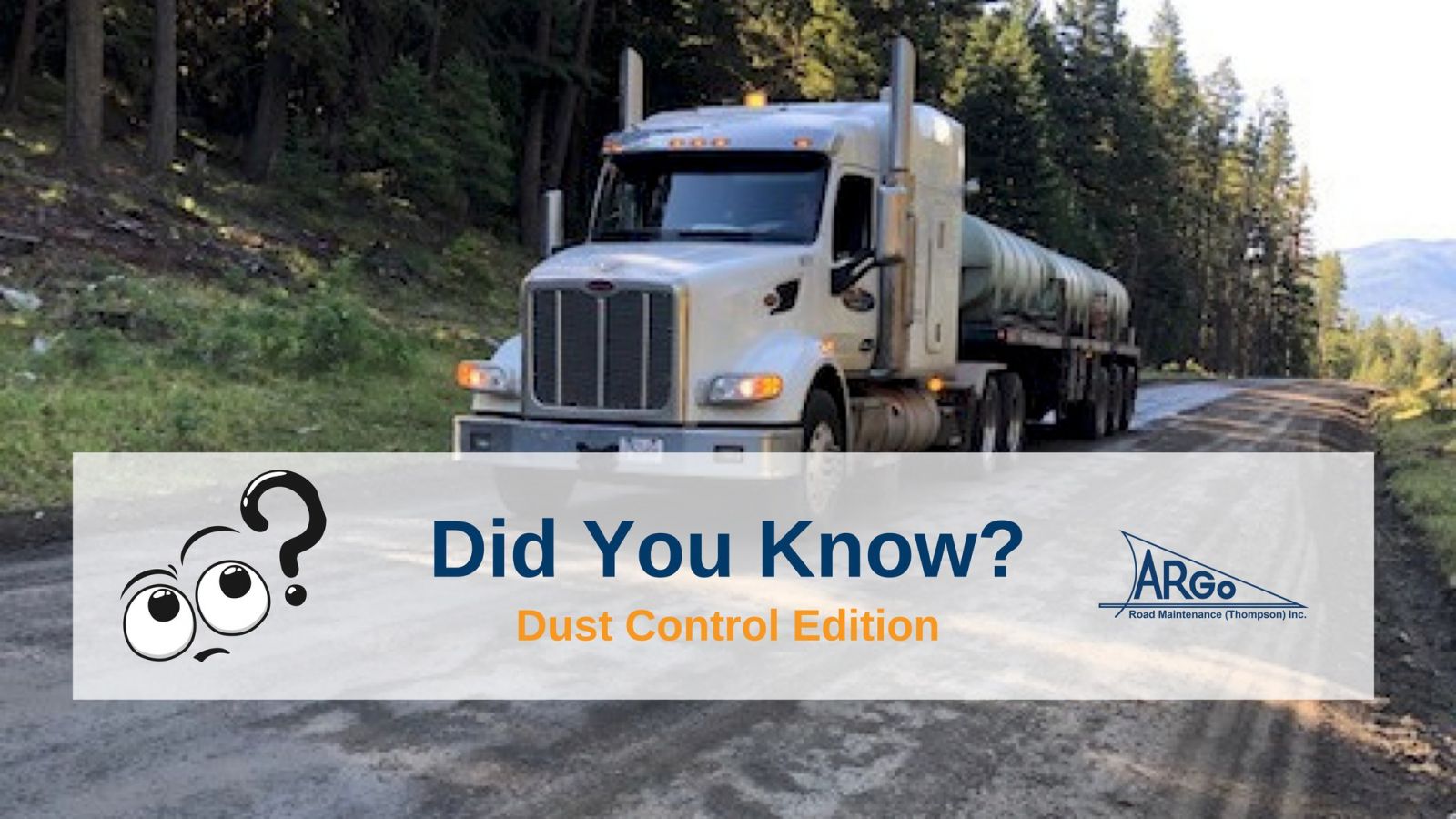
Dust control is not applied to every gravel road.
Dust control is carried out under provincial specifications, which define where treatments are applied and where they are not.
These specifications focus on locations where dust has the greatest impact on safety and nearby properties, rather than applying dust control across entire road networks.
Before dust control can be applied, roads often need to be graded first to repair potholes and washboard. This helps the treatment bind properly with the surface and last longer.
In spring, crews begin with roads that are dry enough to work on. Some roads may remain too wet or soft for grading equipment, which can delay when dust control can be applied.
Because crews maintain many kilometres of roadway, this work is completed gradually as they move through scheduled routes.
If your road has not been treated yet, it remains part of the planned work and will be completed as crews progress through the area.
Mowing
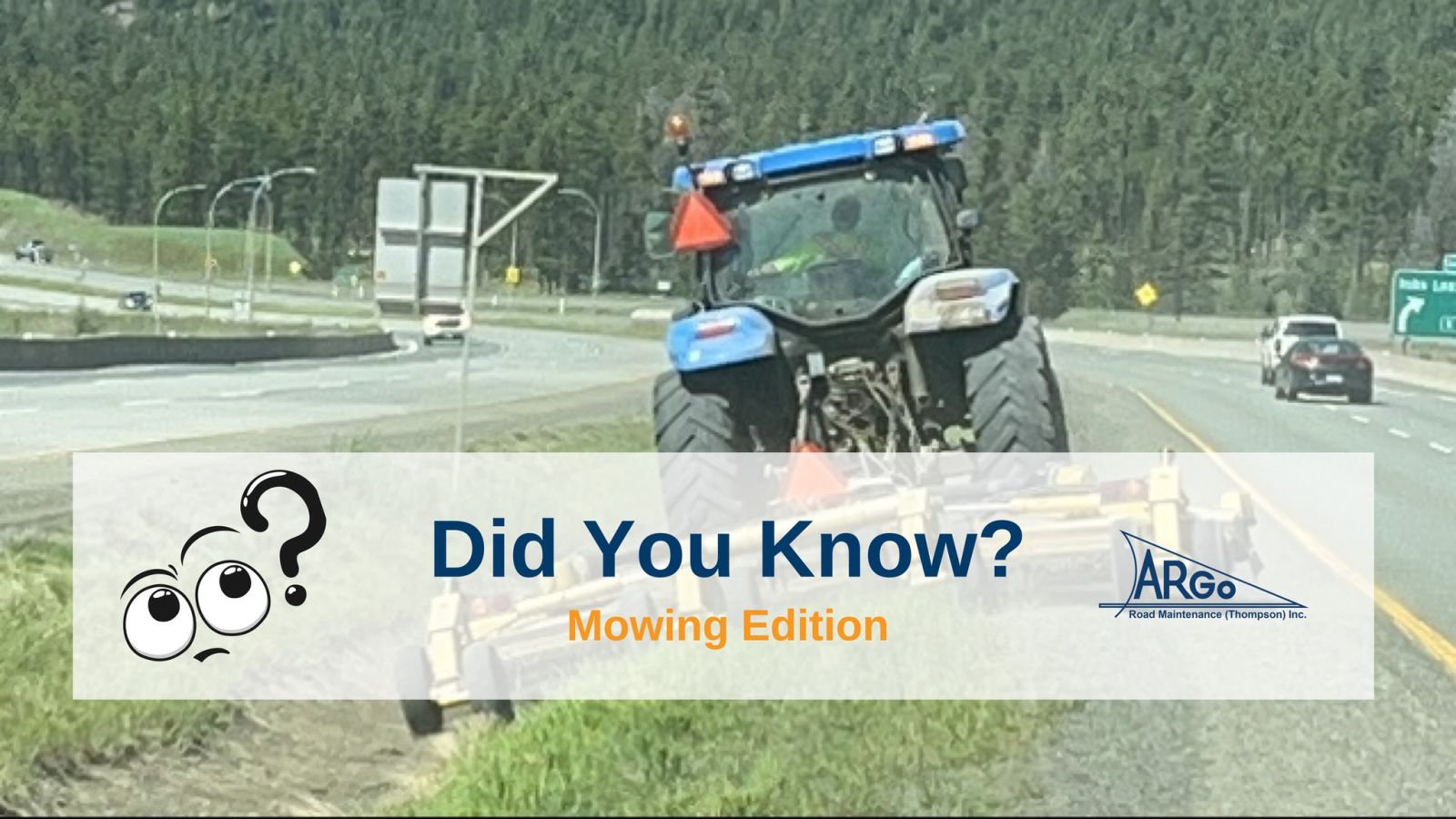
Roadside mowing involves more than just cutting grass.
Before mowing can begin, crews must consider traffic, sightlines, weather, ground conditions, and wildfire risk.
Each year, Argo applies in advance for approval from the Province that may allow mowing during periods of elevated fire danger. This approval comes with strict conditions to reduce wildfire risk.
These requirements include having S-100 trained personnel on site, water trucks available to wet vegetation before and after mowing, and dedicated fire watchers monitoring the work area.
However, having this approval does not mean mowing will automatically take place during very dry conditions.
Crews must assess both wildfire risk and roadway safety. In some areas, tall grass can limit visibility at intersections, curves, or reduce the ability to see wildlife.
If wildfire risk is too high, work may be delayed. If vegetation creates a safety concern, work may proceed with additional fire prevention measures in place.
Because crews maintain many kilometres of roadway, mowing is completed progressively throughout the season as conditions allow.
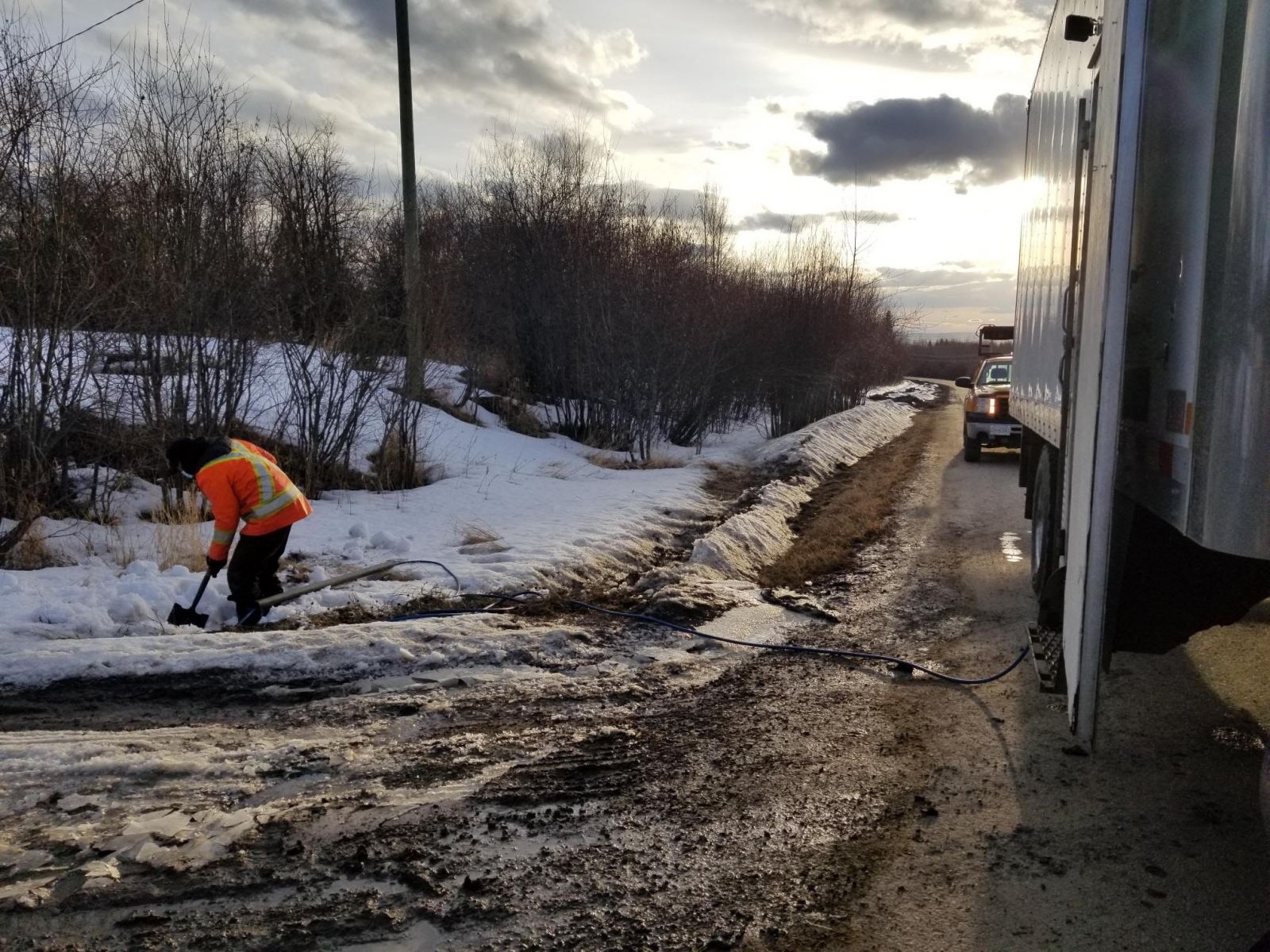
Slow Down, Move Over Edition
In British Columbia, drivers are required by law to slow down and move over when passing a vehicle stopped on the roadside with flashing lights. This includes highway maintenance vehicles using amber beacons.
When approaching these vehicles:
- Slow to 70 km/h in areas with speed limits of 80 km/h or higher
- Slow to 40 km/h in areas with lower speed limits
- Move into the lane furthest from the vehicle when it is safe to do so
These rules are in place to help protect roadside workers, including Argo crews and others working near live traffic, who are out there every day helping keep roads safe for the travelling public.
At the end of the day, we all have families, and everyone deserves to make it home safely.
Failing to slow down and move over can result in a fine and penalty points.